
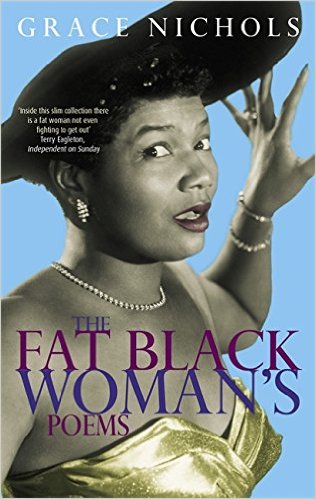
A key theme from our topic today was the way in which creativity in all the arts (poetry, music, visual arts…) can be a way in which marginalized and oppressed peoples can reassert their individuality and their importance as human beings. Prejudice is insidious and the most common response is fear and buried hatred, but these poets and artists from all around the world (Guyana, Jamaica, Nigeria, Pakistan, India…..) show the way in which a creative voice can show a powerful way forward. This voice can in fact bring a new vitality into the old worn-out culture, can expose the hollowness of British English compared to the “metaphor-rich Creole”
Me tink him come a foreign lan
Come ketch bad foreign cole! …
Me fine out seh is foreign twang
De bwoy wasa put awn! … (as he kept talking I realized his foreign accent was put on.)
Was “Actually”, What”, “Oh deah!”
LOUISE BENNETT “Dry-Foot Bwoy”
Nothing soft and bright and billowing
to flow like breezy sunlight
when she walking
GRACE NICHOLS “The Fat Black Woman Goes Shopping”
Blog Topics:
1.Take a line from any of the poems showcased this week and use this as a starting point for a poem about your own experience of defining yourself against some form of opposition.
2. Describe briefly your sense of how racism operates in our own culture and what you see as the most effective way forward for dealing with this situation.
3. Research any one of the poets looked at this week and prepare a short digital kit of key videos that reveal the writer’s strength as a performer
 Michael Griffith: Home Page- Literature and Life Spring 2025